World models are capturing the tech industry’s attention and investment dollars, amid growing expectations that AI will soon move beyond our screens and into the physical world of cars, robots, and other objects.
A slew of new startups are developing world models, which are typically based on video data rather than the text-based large language models like OpenAI’s GPT and Anthropic’s Claude. In just the last week, AMD announced plans to acquire World Labs for $8.2 billion in stock and video AI startup Runway unveiled the first open-weight version of its world model.
And just as generative AI helped bring about a broader industry to train and run LLMs, the rising popularity of world models is spurring new innovation and startups. On Monday, San Francisco-based Reactor said that it added Nvidia’s venture capital arm and Sapphire Ventures to its cap table, adding to a Series A round announced in May and bringing its total funding to $74 million.
Reactor, which emerged from stealth in May, develops software to make world models run faster and cheaper, and sells a cloud service that manages the computing capacity.
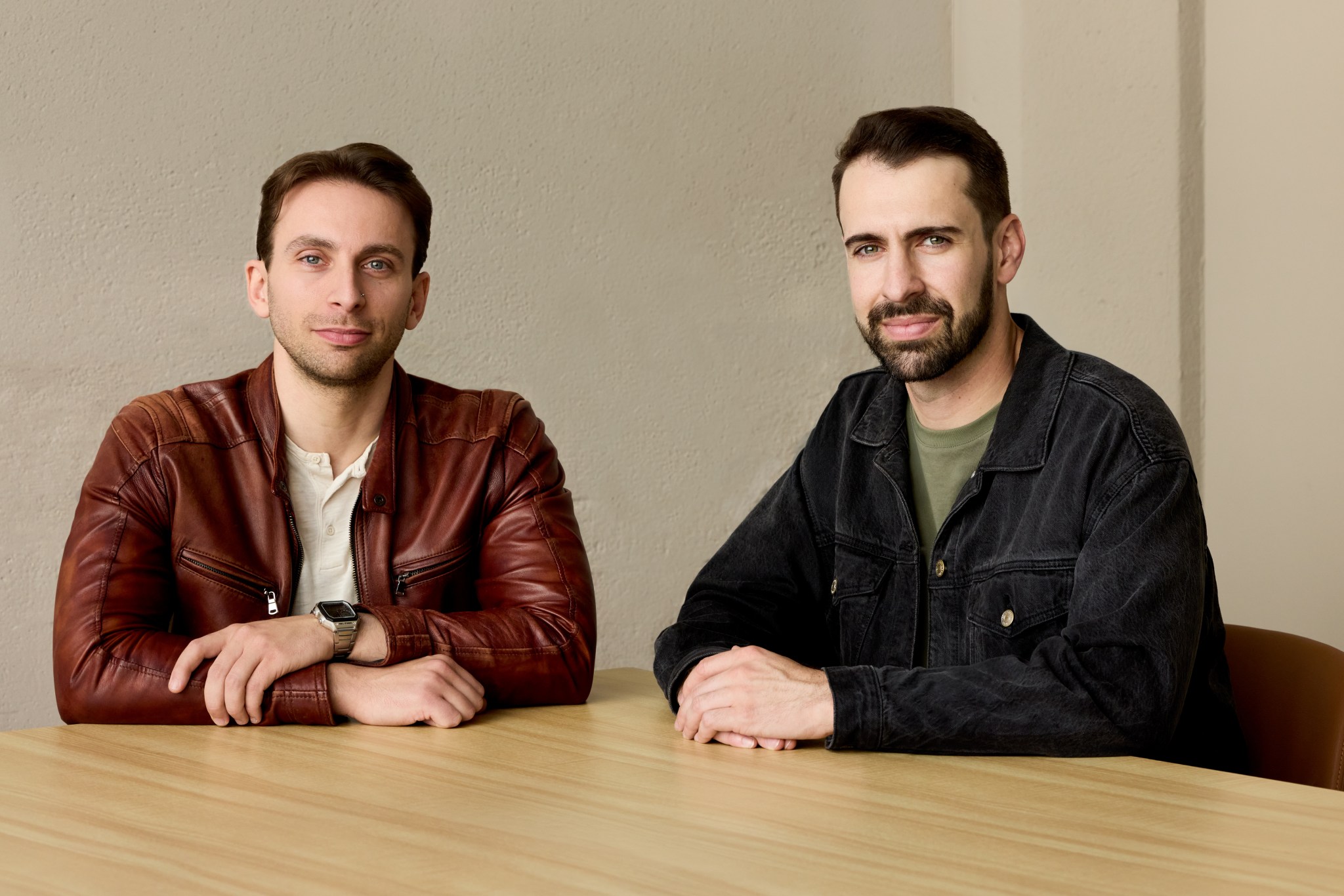
“Once the model exists, how do you actually run it?” co-founder and CEO Alberto Taiuti told Fortune, describing the question that led him and co-founder Bryce Schmidtchen to start Reactor. Both previously worked on Apple’s Vision Pro. Taiuti also co-founded the AI video generator startup Luma AI, where he served as chief technology officer.
Reactor says Hollywood studios, advertising platforms and streaming services have active projects on the platform. But the company sees robots as a major area of focus.
Building conventional simulations for robot testing can be time-consuming and costly, Taiuti said, requiring developers to create three-dimensional objects and configure scenes. He said world models could reduce some of that work by generating environments from prompts. Reactor says it can run world models that respond to robot actions, allowing developers to test their software in those generated environments.
Running the models in the cloud can give developers access to more computing power without adding that hardware to each robot. It also lets them upgrade the computers running the models without replacing hardware across a fleet, he said.
Taiuti said the company can adapt technology developed for interactive media to robotics because “similar models and similar workloads can also be run on the same core engine”. Reactor plans to use the investment to secure more computing capacity, expand its team and buy robot hardware to test its systems, Taiuti said.
Nvidia, which invested in Reactor via its NVentures VC arm, has developed its own Cosmos world models, alongside Isaac tools for robot simulation and Jetson computers that run AI on robots. Its investment in Reactor gives it a stake in infrastructure for running interactive models.
#Nvidia #backs #startup #Reactor #buzz #grows #world #models