Canada calls President Trump’s new 50% tariffs a ‘direct violation’ of trade agreements.
The Trump administration is set to impose new tariffs of 10% and 12.5% on imports from 60 trading partners beginning Friday as a temporary global tariff expires.
The move comes after the Supreme Court in February struck down President Donald Trump’s “reciprocal” tariffs of 10% to 50% that were imposed last year. In response, Trump implemented a temporary 10% global tariff under Section 122 of the Trade Act of 1974 that expires at 12:01 a.m. ET Friday.
The Office of the U.S. Trade Representative announced Thursday that the new tariffs, imposed under Section 301 of the Trade Act of 1974, will take effect immediately after the temporary duties expire.
Canada, Mexico, India and the United Kingdom are among the trading partners that will face a 10% tariff.
TRUMP UNVEILS PHASED TARIFFS ON GENERIC DRUGS TO BOOST US PRODUCTION
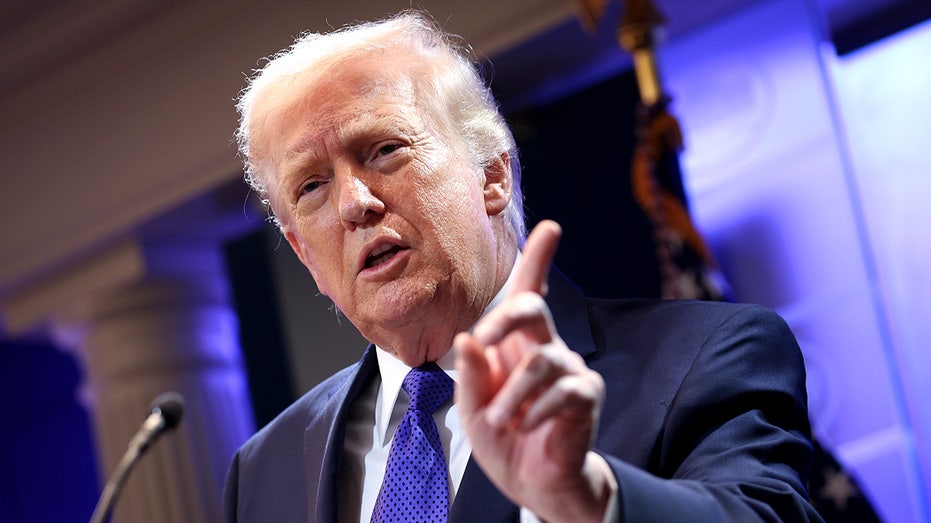
President Donald Trump answers questions during a press briefing at the White House in Washington, D.C., on Feb. 20. The Supreme Court ruled the same day against his use of emergency powers to implement certain international trade tariffs. (Kevin Dietsch/Getty Images / Getty Images)
Taiwan and the European Union, meanwhile, are slated to face a 12.5% tariff.
“The United States has had a forced labor import ban for nearly a century, and rigorously enforces it; it’s well past time for our trading partners to do the same,” U.S. Trade Representative Jamieson Greer said in a news release.
A senior administration official told Reuters the new tariffs are not intended to replace the expiring global duties despite taking effect at the same time.
TRUMP ADMINISTRATION WARNS EU’S $1B FINE AGAINST GOOGLE THREATENS US-EUROPEAN TRADE RELATIONSHIP
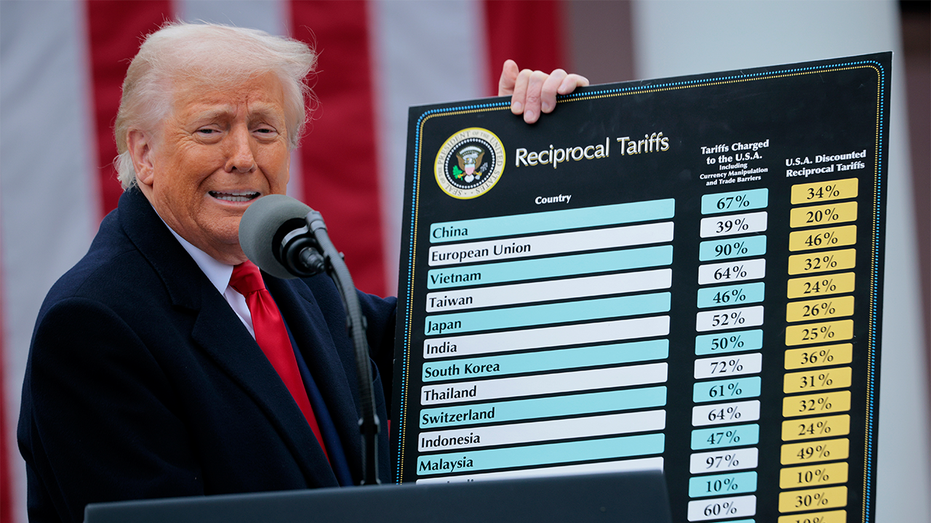
U.S. President Donald Trump holds up a chart of “reciprocal tariffs” while speaking during a “Make America Wealthy Again” trade announcement event in the Rose Garden at the White House on April 2, 2025 in Washington, DC. (Chip Somodevilla/Getty Images / Getty Images)
The official argued that the United States enforces bans on goods made with forced labor more aggressively than any other country, putting American businesses at a competitive disadvantage.
Many products will be exempt from the tariffs, including oil and gas, fertilizer, certain food products and goods already subject to Section 232 national security tariffs, including automobiles, steel, aluminum and copper.
The announcement follows a series of new trade actions unveiled by the Trump administration this week.
WHAT ARE THE MAIN STICKING POINTS IN THE TRUMP ADMIN’S TRADE NEGOTIATIONS WITH CANADA, MEXICO?
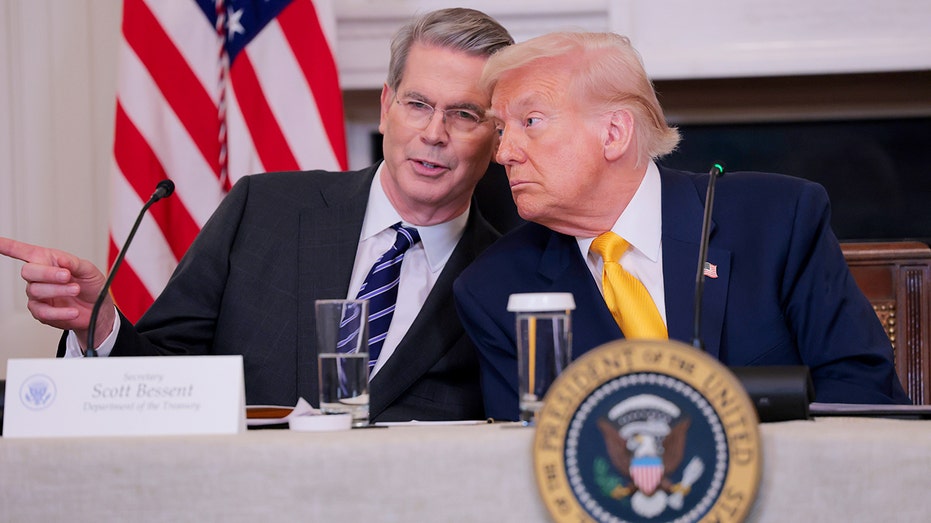
U.S. Secretary of Treasury Scott Bessent and U.S. President Donald Trump look on during The White House Digital Assets Summit in the State Dining Room of the White House on March 7, 2025. (Photo by Anna Moneymaker/Getty Images / Getty Images)
On Tuesday, Trump announced imported generic drugs would remain tariff-free for two years before facing steep new duties, saying the move is intended to encourage pharmaceutical companies to manufacture more medicines in the United States.
On Monday, Trump also announced a 50% tariff on certain Canadian imports, citing what officials described as trade “discrimination” against American businesses.
GET FOX BUSINESS ON THE GO BY CLICKING HERE
Those duties are scheduled to take effect Aug. 19 under the Tariff Act of 1930 and apply to a range of Canadian imports, including certain food products, apparel, synthetic materials and industrial goods.
FOX Business’ Brittany Miller and Bonny Chu, along with Reuters, contributed to this report.
#Trump #administration #unveils #tariffs #partners