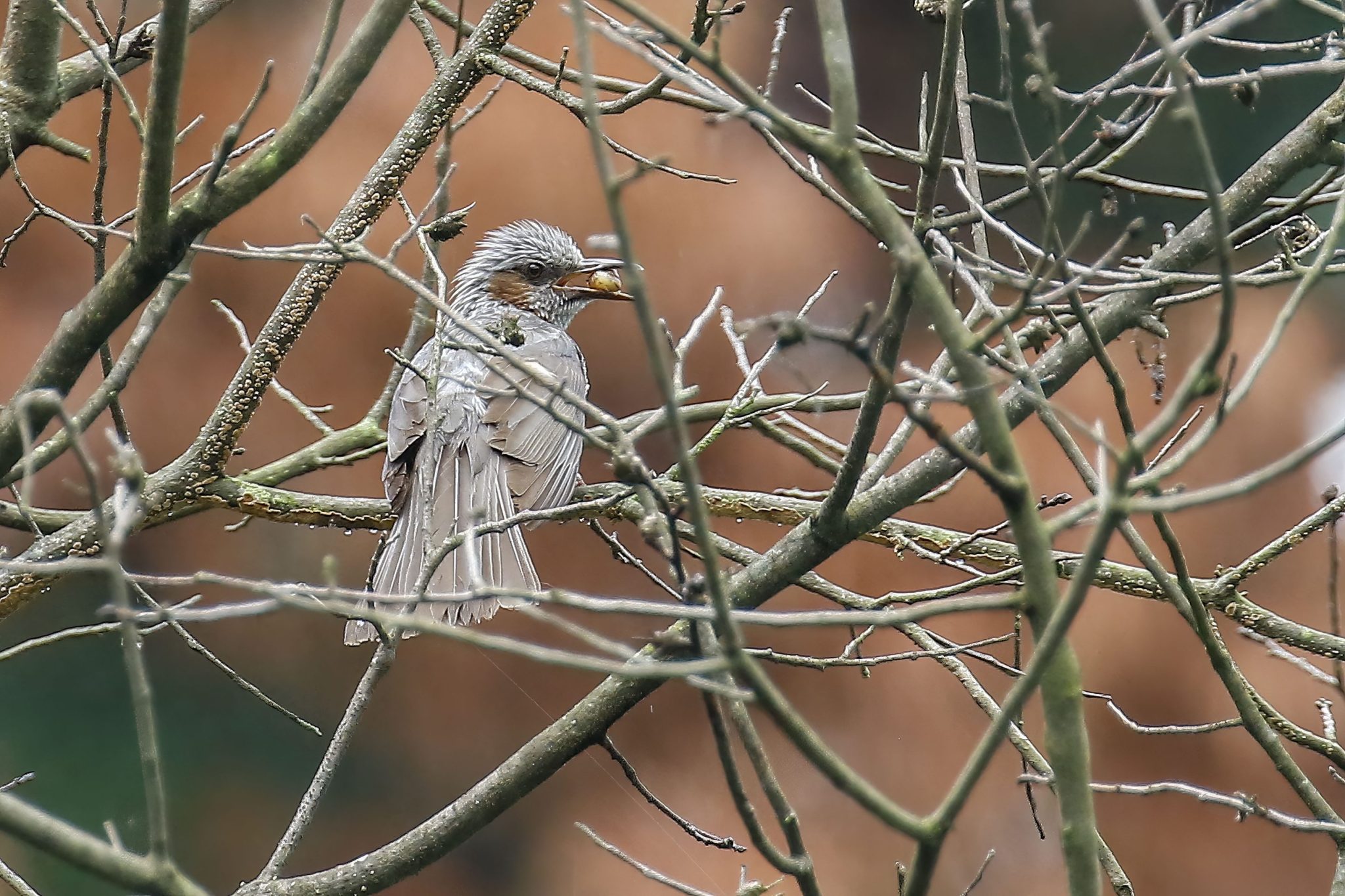
If you’ve ever found yourself stuck in a rut while cooped up all day at a nine-to-five job, or just felt stressed about work, school or life in general, you’re not alone. Hearing “just go outside” might sound like trivial advice, but researchers have been investigating a new, unconventional strategy to boost mental health: Seeking the company of wild birds.
You’ve probably heard them singing or noticed them flitting through the canopy, but if you’re not deliberately paying attention to their presence, they can fade into the background. A growing body of research suggests that keeping a watchful eye or attentive ear out for birds can help people from all walks of life feel more calm, present and refreshed.
Birding, the practice of observing birds in their natural habitat and also known as bird-watching, has experienced a renaissance in recent years. Birding exploded in popularity during the pandemic, and you may have even seen it popping up on your social media feeds. Newcomers to the practice discovered something seasoned birders have always known: Simply paying attention to birds can be surprisingly rewarding.
There is a wealth of data demonstrating that spending time in nature leads to health improvements. For example, reviews of scientific research have cited consistent evidence for nature’s important role in supporting health and well-being.
An increasing body of research, which my colleagues and I reviewed in 2024, also suggests that interactions with birds may play an especially important role in well-being. Encounters with birds may improve mood, reduce stress, restore attention, strengthen social connections and even encourage people to care more about the environment.
Birding Rx
Birding seems to perform a special psychological function beyond the capabilities of other outdoor activities. For example, one recent study demonstrated that a walk to see birds was more likely to increase well-being and reduce distress than going on a nature walk alone or a control condition of just keeping the status quo.
My lab at Morehouse College, where I am an assistant professor of psychology, has recently replicated and presented these findings at various conferences, including the annual convention for the American Psychological Association. We measured mindfulness behaviors in a group of undergraduate students both before and after either going on a bird walk, a nature walk, or watching a nature documentary. These mindfulness behaviors included feeling connected to the present moment, noticing the emotions or sensations in one’s body, or having moments of feeling alert and aware. Mindfulness practices have a positive effect on mental health, and these can prove especially helpful if you’re in your 20s or 30s.
We discovered that a bird walk led to more substantial increases in a participant’s mindfulness when compared to the other nature activities. These results suggest that there may be something unique to paying attention to birds that makes people more likely to be aware, engaged and present.
Birding engages multiple senses, and you don’t even have to spot a bird to reap the rewards associated with birding. Experimental data suggests that just listening to birdsong can improve mental health. In other words, there is no one-size-fits-all bird experience when it comes to associated health benefits.
Bird-brained
Birders learn to identify species through careful observation of field marks – for example, a bird’s unique plumage, size and shape – as well as a bird’s behaviors, vocalizations and surrounding habitat. Species identification allows birders to practice their attention, memory, pattern recognition and decision-making skills, all of which support healthy cognitive functioning.
Some studies have linked birding with increased memory function and attention. Brain imaging research has also indicated that experienced birders are more likely to demonstrate stronger activity in brain regions involved in visual processing, working memory and object identification.
It is still an open question whether birding actually causes these changes, or whether people with these abilities are naturally drawn to birding. However, the findings suggest a relationship between birding and brain health that merits further exploration.
These results have prompted some researchers – myself included – to investigate birding as a potential low-cost intervention for mental health conditions such as anxiety and depression, diagnoses that have substantially increased in younger generations. Given the promising data for brain health noted above, birding might also prove helpful for cognitive conditions involving attention and memory, ranging from ADHD to neurodegenerative conditions such as Alzheimer’s disease. Hence, a forthcoming prescription for birding might not be so far-fetched.
If so, birding as a mental health intervention could mimic other nature-based prescription initiatives, such as those from the National Park Service and other health providers.
Flocking together
Although birding can be a pleasurable solitary hobby, it also builds communities. Many birders belong to local chapters of the National Audubon Society, which represents one of the most prominent organizations in the U.S. dedicated to the conservation of and education about birds and their habitat. Similarly, many birders enjoy participating in bird walks or other bird-related activities in groups.
Furthermore, millions of volunteers contribute observations through citizen-science projects such as eBird and Project FeederWatch, from the Cornell Lab of Ornithology, generating data that helps scientists monitor bird populations across the globe and helps birders connect with one another. These projects allow anyone, ranging from experienced birders to curious beginners, to make meaningful contributions to community science.
There is also some preliminary evidence that birding encourages people to care for their environment. For example, some studies have demonstrated that birders are more likely to support conservation efforts and engage in behaviors that benefit the environment. It’s possible that paying closer attention to birds may deepen your sense of connection to the natural world, making you more likely to protect it.
A distinct advantage to birding, especially compared to other types of outdoor recreation, is its accessibility. Because of the wide variety of avian species found across the globe, you can go birding just about anywhere in the world, from the most remote wilderness areas to bustling city blocks. And it isn’t something to which you need to devote a lot of time, travel or money to accomplish.
You can do it while you’re on your way to work or school, or just by stepping outside for a bit. If you find yourself scrolling on your lunch break, consider going for a walk around the block instead and counting how many bird species you can see or hear. And if you’re new to the practice, you might enjoy downloading the free app from the Cornell Lab of Ornithology, Merlin, to help you identify what you are seeing or hearing.
Flight calls
Although the evidence for birding’s benefits continues to grow, more scientific inquiry is necessary. Researchers still need to replicate findings related to birding’s health benefits before drawing firm conclusions, and other research questions remain. For example, we do not yet know whether certain bird species or habitats are more restorative than others. Other related questions include assessing how long mental health effects last and who is most likely to benefit from birding, and when.
However, the evidence amassed so far strongly suggests that bird encounters improve human lives. Looking for and listening to birds encourages people to slow down, pay attention and engage with the natural world more mindfully. In a time when many people are confined to working indoors and connected to screens, simply looking out or listening for our feathered friends might bolster mental, cognitive, physical, social and even environmental health.
Improving your well-being does not always need to entail expensive technology or complicated treatments. It may begin with just opening a window, stepping outside and noticing the birds that have been there all along.
#Sit #watch #birdsyour #health #data #shows