American ranchers are facing the smallest cattle herd in 75 years. On Friday, President Trump said he would waiver beef tariffs on imported ground beef for 90 days in an attempt to bring beef prices down and rebuild the U.S. cattle herd.
President Donald Trump is moving to give ranchers a new way around the powerful meatpacking companies that stand between their cattle and the grocery-store shelf, following backlash in farm country over his decision to allow more foreign beef imports.
Trump said Friday that he was authorizing legal documents to be drafted to give farmers and ranchers “the right to process their own food,” casting the move as an effort to break what he called a “nasty monopoly” in the meat industry.
The announcement came after cattle producers and some Republicans pushed back on Trump’s plan to temporarily allow tariff-free imports of up to 300,000 metric tons of foreign beef, a move intended to ease pressure on consumers facing high prices at the meat counter.
THE UNEXPECTED FORCE KEEPING BEEF PRICES HIGH AND WHY THE PRESSURE COULD LAST FOR YEARS
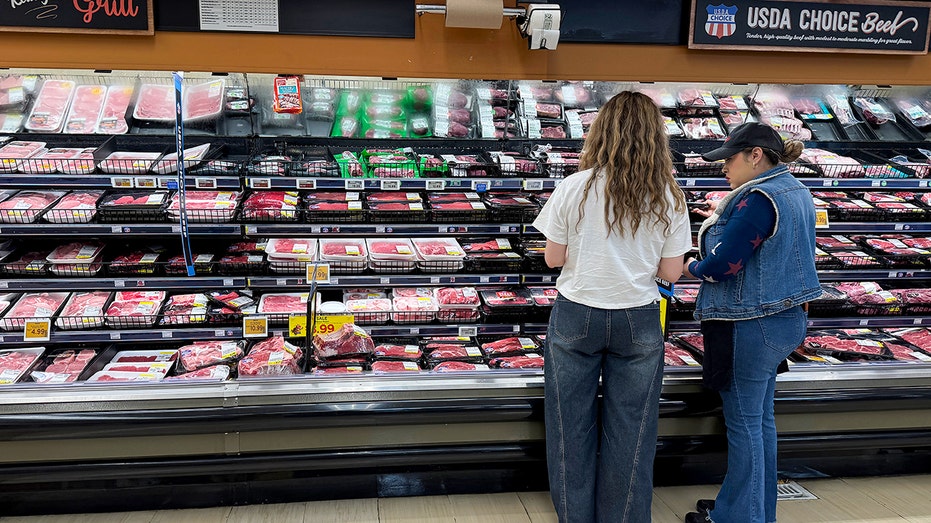
Consumers are still facing high beef prices as the nation’s cattle shortage keeps pressure on grocery-store shelves. (Photo by Justin Sullivan/Getty Images / Getty Images)
For ranchers, however, the fight is not only about imports. It is also about who controls the path from pasture to plate.
Four companies — Cargill, Tyson Foods, JBS USA and National Beef Packing Co. — control roughly 85% of the country’s meat-processing capacity. Ranchers have long argued that the concentration leaves them with too few buyers for their cattle and forces smaller producers to rely on distant, federally inspected slaughter facilities to bring beef to market.
Under current law, ranchers can slaughter and process animals for their own use, but meat intended for sale generally must be processed in facilities that meet federal food-safety and inspection requirements.
Trump has not released the legal details of his proposal, and it remains unclear how far an executive action could go in changing those rules. Agriculture Secretary Brooke Rollins said the administration would begin unveiling beef-processing actions Monday, including steps to reduce red tape, support smaller processors and expand ranchers’ ability to sell meat across state lines.
A HISTORIC SHORTAGE IS SQUEEZING AN AMERICAN DINNER STAPLE AND RELIEF COULD BE YEARS AWAY
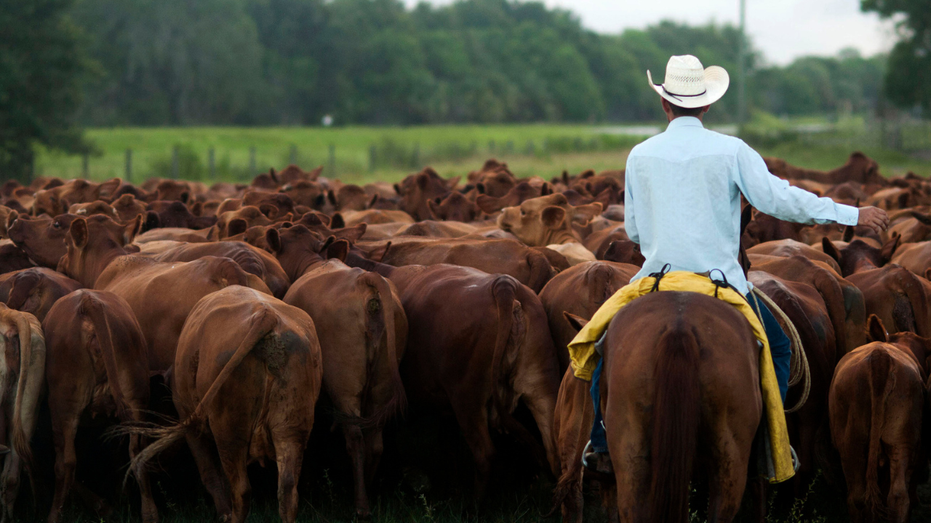
For ranchers, rebuilding their herds is a slow and costly process, meaning the supply crunch now pushing up prices is unlikely to disappear anytime soon. (Ty Wright/Bloomberg/Getty Images / Getty Images)
The political pressure comes as beef prices remain elevated and the U.S. cattle herd sits at its smallest level in roughly 75 years. Drought, high costs and years of herd liquidation have reduced domestic supply, while rebuilding the herd can take years.
That reality has put Trump in a difficult position, finding a way to ease grocery bills without further undercutting the ranchers producing the country’s beef.
CLICK HERE TO DOWNLOAD THE FOX NEWS APP
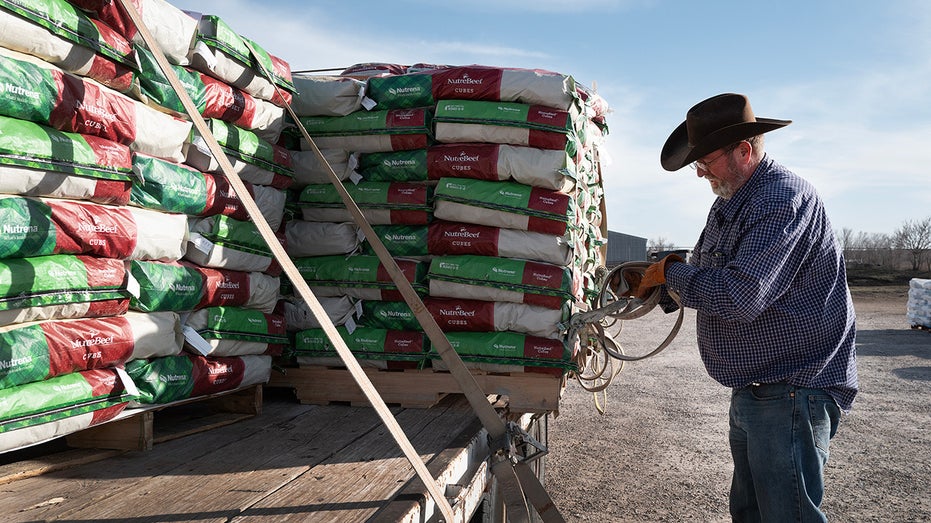
Ranchers are pushing for more control over how their cattle reach consumers as Trump targets the nation’s largest meatpackers. (Scott Olson/Getty Images / Getty Images)
Still, the proposal gives him a new way to address the affordability challenge by shifting the focus from imported beef to the meatpacking giants ranchers say are driving a wedge between what producers earn and what consumers pay.
#Trump #authorizes #action #break #meatpacking #monopoly #ranchers